
Being arrested by the police or the subject of an investigation can be a stressful and overwhelming experience. On the other hand, it is essential to be aware that the mere fact that you have been taken into custody or requested to see a police interview does not necessarily imply that you will be charged or that you will be required to appear in court.
There are certain cases in which charges can be completely avoided with the assistance of a criminal defence lawyer who has an extensive amount of expertise. Early legal counsel often decides whether or not a person is charged with a crime or whether or not they are released without further action being taken.
We, at Criminal Defence Lawyers Scotland, are experts in early intervention, which means that we work directly with the police and the Procurator Fiscal to protect your rights and work towards the purpose of having issues dropped before they ever make it to the court.
How do police charge someone with criminal offences?
In the case that you are arrested for committing a criminal offence or the police have reason to think that you are responsible for committing a crime, the police will either ask that you come to the police station voluntarily or they will arrest you.
DNA samples and fingerprints will be taken from you by a custody officer as soon as you are arrested. You can be held without being charged for a maximum of 24 hours in most cases; but, if an application is made to the Magistrates’ Court and it is successful, this can be extended to up to 96 hours.
If the police decide to charge you, they will usually consult with the Crown Prosecution Service (CPS) to determine if it is in the public interest to prosecute. The CPS will decide whether or not to bring the matter to court.
In the Code for Crown Prosecutors, every single decision regarding whether or not to file charges is based on the same two-stage test:
- Is there a good chance of success based on the evidence?
- Is prosecution in the best interests of the public?
Do I have the right to consult with a solicitor if I am arrested?
The moment you are taken into custody, you have the right to the assistance of a legal representative. Your lawyer will be given a “disclosure” when they arrive at the police station. This is a document that provides an overview of the crime that the police are investigating. Often, the available information is limited. Our solicitors, on the other hand, are equipped with the knowledge and skills necessary to ask investigators the right questions and to make every effort to gather as much information as they possibly can. Our goal is always to put you in the best possible position.
You will have the option to have a private consultation with your lawyer before the police interview. This session will take place before the interview. After that, the disclosure made by the police is discussed, and your specific instructions regarding the matter are taken into consideration. Additionally, you will be given guidance regarding the most effective strategy to implement during the interview.
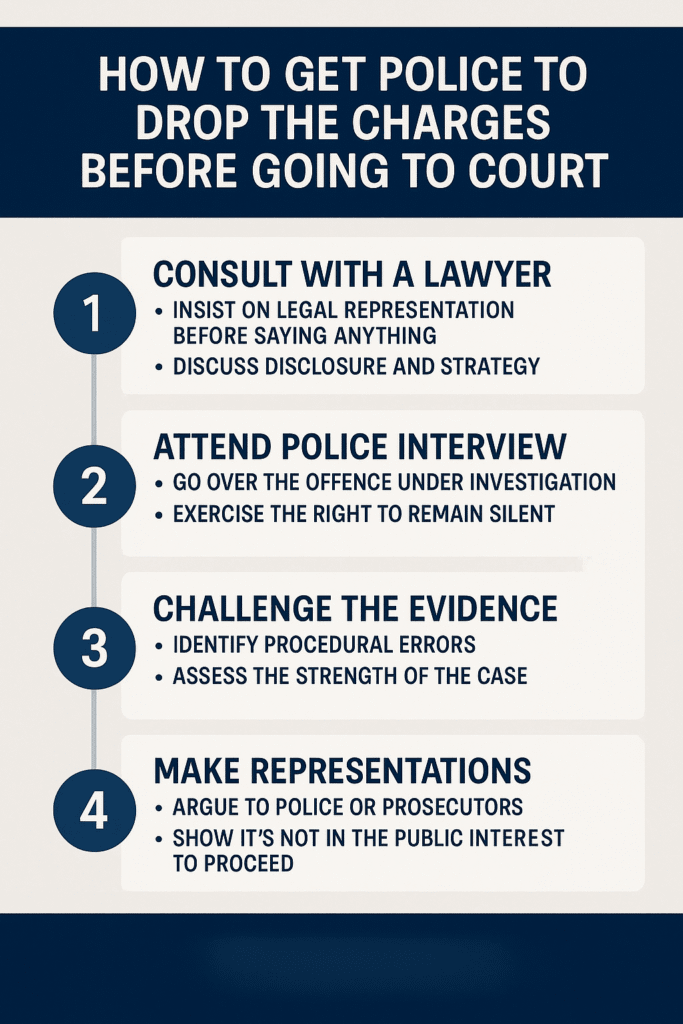
If you take anything away from this post, make it this: always insist on having a competent criminal defence solicitor present before saying or agreeing to anything. This is a legal privilege that you have, and it in no way constitutes an admission of guilt on your part. A good solicitor can prevent charges from being filed at this stage, or if necessary, gather evidence to have them withdrawn before the court date.
What happens during a voluntarily conducted police station interview?
You should go to a voluntary police interview if you are asked to do so. If you refuse to attend, the police may arrest you so that they may conduct a standard police interview. It is in your best interest to go through with the request.
At a police station, you will be interviewed voluntarily. You are going to be informed at the start of the interview:
- The names of the officers who attended
- The interview is being recorded.
- It is your right to have a lawyer representing you.
- You can keep quiet.
- What the interview is for, including the specific offence under investigation.
- You can end the interview at any moment.
- Anything you say can be used against you in a court of law.
Your statements made during the interview may be considered inadmissible in court if you are not formally warned about them.
During the police interrogation, officers may ask questions to determine:
- A certain date and time, your location at that time
- Whether you know or have any relationship with a specific person or group.
- If you were present at the place when an event occurred.
If the interview lasts more than two hours, you are entitled to a 15-minute break.
What factors may cause police to drop charges?
Our criminal defence solicitors will investigate every aspect of your arrest or police investigation to see if:
- The police followed the requirements outlined in the Police and Criminal Evidence Act 1984, such as expressing your right to have a solicitor present and/or why you were arrested.
- Determine whether there is enough evidence to charge you with a crime.
- Whether the violation is minor or this is your first encounter with the law.
Our solicitors are looking for a valid cause to suggest that criminal charges should be dismissed or, in the instance of a minor or first-time offence, a caution should be issued rather than charges being filed. To get the police to drop all charges against you, our solicitors will search for whatever opportunity they may find.
Can the police press charges in cases of assault or domestic abuse if the complainant is unwilling to cooperate?
In general, if the complainant refuses to submit a statement or fails to appear in court, it is difficult to successfully prosecute the offence. On the other hand, as a result of the testimony of eyewitnesses or the phone call, the prosecution may be able to move forward with a case in certain circumstances. There is also the possibility that the prosecution will submit a petition to the court to request that the statements made by the complainant to the police be made admissible as “hearsay” proof. As a result, even if the complainant withdraws their support for prosecution, you must seek advice and representation from a competent criminal defence solicitor.
What can a criminal defence lawyer do to try to get police to drop charges and avoid prosecution?
One of the responsibilities of a criminal defence lawyer is to assess the credibility of the evidence. If the evidence is insufficient, your solicitor may advise the police that the case should not be pursued due to a lack of proof.
After the interview, you may be released from the police station on police bail, which means you are subject to specific bail restrictions. Alternatively, you may be released under investigation, which indicates the police are still investigating, but you are not subject to any bail terms. After your release from police detention and before any charging decision, your solicitor may make written submissions to the police and the Crown Prosecution Service to dismiss the matter. This involves collecting precise instructions from your account and assessing the facts to produce official written representations to the police and Crown Prosecution Service. Your lawyer can also take statements from any defence witnesses, gather CCTV footage, and collect any pertinent material to enhance the case. Unfortunately, there is no government money for this; therefore, it will have to be paid for privately.
How do I know if the criminal charges against me have been dropped?
Your lawyer will be notified that the charges that were brought against you have been dropped, and they will then immediately advise you of this development. You will also be informed whether or not the charges may be reinstated at a later date.
Conclusion
A criminal inquiry or police interview does not always result in charges or court appearances. Early legal action allows you to question weak evidence, expose procedural flaws, and make formal requests to the police or Crown Prosecution Service to withdraw charges, especially if doing so is not in the public interest. Our expert team at Criminal Defence Lawyers Scotland works quickly and strategically to protect your rights and strive for the best possible outcome. We are committed to achieving those goals. If you are under investigation, do not hesitate to contact us for competent legal help.
Contact us today!
Do not face criminal charges alone. If you have been arrested, have been invited to an interrogation with the police, or are currently the subject of an investigation, get in touch with Criminal Defence Lawyers Scotland today. When you need assistance, our highly qualified lawyers are standing by to defend your legal rights and try to have the charges dropped before the court.